How to Prepare Your PhD ApplicationChuẩn bị hồ sơ ứng tuyển PhD như thế nào?
So, November and December are coming up. This is peak season, when universities around the world admit PhD students for the following fall.
Around this time three years ago, I really struggled to prepare my application. So I’d like to share my experience, to help those who are applying now, or will apply in the future, present themselves more fully to admissions committees. This post isn’t about specific tips for writing a CV or an SoP. Instead, I’ll share the purpose of the main documents in an application, how they interact with one another, and the basic principles for preparing them.
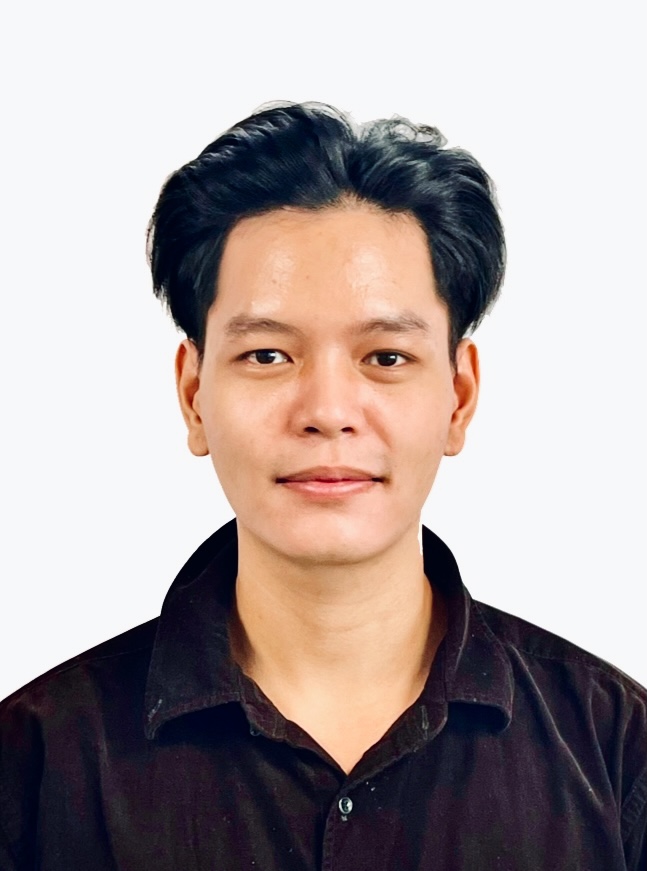
A few words about me: I’m Long, a third-year PhD student at the Singapore University of Technology and Design. My PhD journey is supported by the AISG PhD Fellowship, one of the most prestigious scholarships in Singapore, with financial support among the highest in the world (S$6,300/month).
I. Purpose
The purpose of admissions is to select the candidates who best fit the program and the culture of the university. Unlike Bachelor’s or Master’s programs, where most of the time goes to coursework and exams, a PhD is mainly about doing scientific research. That’s why many places treat a PhD as a job, not simply as being a student. Perhaps because PhD students create value through their research, institutions usually offer more PhD scholarships than Master’s scholarships.
So a PhD application should show that you have strong research ability. This usually comes through in three main documents:
- CV: a summary of yourself, essentially a list of at most 2 pages.
- Statement of Purpose (SoP): an essay that introduces you (your motivation and background), what you plan to research during your PhD, why you chose, and are a good fit for, the place you are applying to, what you plan to do after graduating, and so on (ideally no more than 2 pages).
- Recommendation Letters: written by people who have advised or supervised you (your referees) to convince the committee why you are an outstanding, well-suited candidate.
Your application needs to present you consistently, and completely from many different angles. To meet these two criteria, you need a clear grasp of two corresponding things: 1) identifying your core strengths, and 2) understanding how the three documents above differ.
II. Core Strengths
The first principle when identifying your core strengths is that they must be backed by credible sources (verifiable facts), not by “trust me bro.” These can be your undergraduate record (GPA, being the top entrant or valedictorian, …), awards, certificates, research papers, and referees… The more credible and higher-quality your verifiable facts, the better (top universities, international > national > provincial competitions, top-tier papers, the credibility of your referees). Course or personal projects don’t count for much, unless they went viral, say, with a few thousand stars on GitHub :)
Once you have pinned them down, use these core strengths to tie the three documents together consistently. In your CV, besides your core achievements, don’t forget to list your referees (with their job titles and emails) at the end, and to weave their roles throughout the CV. For example, in the Education section, you can note your referee’s name right next to your major, such as “Major: Math - Thesis/Academic Advisor: Professor X”.
In your SoP, you can build a story around your core strengths. For example: a student from a low-income family with a passion for math gets into the math program at University A, wins prize B in math competition C, and does research that leads to paper D on topic E with Professor X. From there, you want to keep developing research direction F, which closely matches the direction of Professor Y at the university where you are applying for your PhD. Note that this is just one example. The story can be flexible and adapted, but it must be built on your own core strengths.
Recommendation letters are the only document whose content you cannot control 😉 But if you have built your CV and SoP on your core strengths, the story in your referees’ letters will most likely line up too. After all, to convince the admissions committee, referees also have to rely on verifiable facts.
I have helped a few people revise their PhD applications, and most of them wrote these three documents in a rather disjointed way, with no connection between them. But if the admissions committee reads about your core strengths three whole times, you will “manifest” them into their heads. And those core strengths will very likely become the centerpiece of the discussions when your application is evaluated.
III. How the Three Documents Differ
If all three documents only repeated exactly the same information about your core strengths, the admissions committee would only need to read one of them. Why bother reading all three? Understanding how each document differs helps your application present you not only consistently, but also completely.
Your CV is the document that lets the admissions committee quickly grasp the big picture about you within a minute. List as many of your verifiable facts as you can within the 2-page limit. There are plenty of CV-writing tips online; you can look them up, or take a look at my CV. In fact, your core strengths are picked from this list, but they usually make up only about 30-40% of it.
Your SoP is not a dry document of bullet points like your CV. It is written in prose, in a more interesting and engaging way. Its content does not have to be 100% verifiable facts, but at least more than 50% should be. Use it to tell the things you cannot put in your CV: your personal growth, your motivation for pursuing a PhD, what you plan to do during your PhD, and why the university you chose is a good fit. As for outputs: what results are you aiming for in your PhD, and more broadly, once the journey has shaped you, what do you plan to do for science and society after graduating?
Many people write their SoP in a very academic, scholarly way, and only show what they plan to research. Perhaps they think this level of detail shows that they have a clear direction and will impress the admissions committee. But no: PhD admins usually won’t follow it, because they don’t have a background in the research field. And professors know that the more detailed a plan is, and the more factors it depends on, the less likely it is to happen 😵 For the SoP, describing what you plan to do in your PhD at a moderate level of detail is probably the more sensible choice.
Recommendation letters, as mentioned above, are letters written by your referees to persuade the admissions committee. In the opening, referees introduce who they are, to establish their credibility. The letter then tells stories from the time the two of you worked together, guided by verifiable facts. Those stories show your academic expertise, your character, and your valuable qualities.
IV. Closing Thoughts
I am not on an admissions committee, and every place has its own admissions process. What I have shared is mostly drawn from my personal experience, so take it selectively and apply it flexibly. We shouldn’t be like AI: a hundred models, all alike. 🤖
To those applying for a PhD right now: good luck! To those planning to apply: I hope this helps you prepare your verifiable facts and build stronger core strengths.
Best wishes!
Vậy là tháng 11, 12 sắp tới. Đây là dịp cao điểm mà các trường đại học trên thế giới tuyển sinh PhD cho kỳ thu năm sau.
Vào khoảng thời gian này 3 năm trước, mình đã rất vất vả trong việc chuẩn bị hồ sơ ứng tuyển. Vì vậy, mình muốn chia sẻ lại kinh nghiệm để những ai đang và sẽ ứng tuyển thể hiện bản thân trọn vẹn hơn trước hội đồng tuyển sinh. Bài này sẽ không viết về các tips cụ thể để viết CV, hay SoP. Mình sẽ chia sẻ mục đích của các tài liệu chính trong hồ sơ ứng tuyển, cách chúng tương tác với nhau, và các nguyên tắc cơ bản để chuẩn bị các tài liệu này.
Đôi lời giới thiệu về bản thân, mình là Long, nghiên cứu sinh Tiến sĩ (PhD) năm ba tại Singapore University of Technology and Design. Hành trình PhD của mình được hỗ trợ bởi học bổng AISG PhD Fellowship, một trong những học bổng danh giá nhất Singapore với mức hỗ trợ tài chính thuộc top đầu thế giới (S$6,300/tháng).
I. Mục đích
Mục đích của việc tuyển sinh là chọn ra những ứng viên phù hợp nhất với chương trình đào tạo, và văn hoá của trường đại học. Khác với chương trình đào tạo Cử nhân hay Thạc sĩ vốn chỉ dành phần lớn thời gian để học và thi, thì PhD chủ yếu làm nghiên cứu khoa học. Vì vậy, nhiều nơi coi PhD là một việc làm, không đơn thuần là học sinh, sinh viên. Có lẽ vì họ tạo ra giá trị bằng việc nghiên cứu, các tổ chức thường cấp nhiều học bổng PhD hơn số lượng học bổng Thạc sĩ.
Vì vậy, hồ sơ PhD nên thể hiện rằng bạn là một người có năng lực nghiên cứu tốt. Điều này thường được thể hiện qua ba tài liệu chính:
- CV: một bản tóm tắt về bản thân, đại khái là một danh sách liệt kê dài tối đa 2 trang.
- Statement of Purpose (SoP): một bài luận giới thiệu bản thân (động lực, lý lịch), định nghiên cứu gì trong PhD, tại sao lại chọn và phù hợp với nơi đang ứng tuyển, và định làm gì sau tốt nghiệp,… (chỉ nên tối đa 2 trang)
- Thư Giới thiệu (Recommendation Letters): viết bởi những người đã từng hướng dẫn, giám sát bạn (referees) để thuyết phục tại sao bạn là một ứng viên xuất chúng, phù hợp.
Bộ hồ sơ cần phải thể hiện ứng viên một cách nhất quán, và trọn vẹn từ nhiều góc nhìn khác nhau. Để thoả mãn 2 tiêu chí này, bạn cần nắm rõ 2 điều tương ứng: 1) xác định cốt lõi của bản thân, 2) phân biệt sự khác nhau của 3 tài liệu phía trên.
II. Đặc trưng cốt lõi
Nguyên tắc đầu tiên khi xác định những đặc trưng lõi đấy là chúng phải xác định được từ những nguồn uy tín (verifiable facts), không phải từ nguồn “trust me bro”. Đây có thể là chuyên ngành đại học (CPA, thủ khoa đầu vào/đầu ra,…), các giải thưởng, chứng chỉ, bài báo khoa học (papers), và referees… Verifiable facts càng uy tín và chất lượng thì càng tốt (trường top, cuộc thi quốc tế > quốc gia > tỉnh, papers top-tier, độ tin cậy của referees). Mấy cái dự án môn học/cá nhân (course/personal projects) không đáng kể lắm đâu, trừ khi nó viral như kiểu có vài nghìn sao trên GitHub :v
Sau khi đã xác định được chính xác, hãy kết nối 3 tài liệu nhất quán bằng những giá trị cốt lõi này. Về CV, ngoài những thành tích cốt lõi, đừng quên để danh sách referees (kèm job title + email) ở cuối, cũng như lồng ghép vai trò của họ xuyên suốt CV. Ví dụ, ở mục Education, bạn có thể ghi chú tên của referees ở ngay cạnh chuyên ngành, chả hạn, “Major: Math - Thesis/Academic Advisor: Professor X”.
Về SoP, bạn có thể xây dựng một câu chuyện dựa trên các đặc trưng cốt lõi, tựa như sinh viên nghèo đam mê Toán, đậu chuyên ngành Toán ở Đại học A, đạt giải B trong cuộc thi Toán C, và nghiên cứu viết paper D về đề tài E với giáo sư X. Từ đó, bạn muốn tiếp tục phát triển nghiên cứu F, cái mà rất khớp với định hướng của giáo sư Y thuộc đại học mà bạn đang ứng tuyển PhD. Lưu ý rằng đây chỉ là 1 ví dụ. Câu chuyện có thể linh hoạt, ứng biến, nhưng phải được xây dựng trên đặc trưng cốt lõi của riêng bạn.
Về Thư Giới thiệu, đây là tài liệu duy nhất bạn không thể kiểm soát được nội dung 😉 Nhưng nếu bạn đã xây dựng CV và SoP dựa trên cốt lõi của bản thân, thì câu chuyện viết trong thư của referees khả năng cao cũng sẽ khớp. Vì để thuyết phục hội đồng tuyển sinh, referees cũng phải dựa trên các verifiable facts.
Mình từng giúp vài người sửa hồ sơ ứng tuyển PhD, đa phần họ đều viết 3 tài liệu này khá rời rạc, không có sự kết nối. Nhưng nếu hội đồng tuyển sinh đọc những giá trị cốt lõi này tới tận 3 lần, bạn sẽ “manifest” chúng vào trong đầu họ. Và những giá trị cốt lõi này khả năng cao sẽ là tâm điểm trong các cuộc thảo luận đánh giá hồ sơ của bạn.
III. Sự khác biệt của 3 tài liệu
Nếu cả 3 tài liệu đều chỉ diễn đạt những thông tin giống hệt nhau về đặc trưng cốt lõi, thì hội đồng tuyển sinh chỉ cần đọc 1 cái thôi chứ đọc cả 3 làm gì cho mất công. Việc hiểu sự khác nhau về từng tài liệu giúp bộ hồ sơ không những thể hiện nhất quán, mà còn trọn vẹn về bạn.
Về CV, đây là tài liệu giúp hội đồng tuyển sinh nhanh chóng nắm các thông tin tổng quát về bạn trong vòng 1 phút. Hãy liệt kê những verifiable facts của bạn nhiều nhất có thể trong giới hạn 2 trang. Các tips viết CV trên mạng rất nhiều, các bạn có thể tham khảo hoặc xem thử CV của mình. Thực ra, các giá trị cốt lõi được chọn lọc từ danh sách liệt kê này, nhưng thường chỉ chiếm khoảng 30-40%.
Về SoP, đây không phải là một tài liệu khô khan của các bullet points như CV. Nó được diễn đạt thú vị, lôi cuốn hơn bằng lời văn. Nội dung của nó không nhất thiết 100% là verifiable facts, nhưng ít nhất cũng nên >50%. Hãy tận dụng nó để kể những điều bạn không thể viết trong CV. Ví dụ như hành trình phát triển bản thân, động lực theo đuổi PhD, bạn định làm gì trong hành trình PhD, và tại sao ngôi trường bạn chọn lại phù hợp. Về outputs, kết quả đầu ra mà bạn nhắm tới cho hành trình PhD là gì, rộng hơn, con người bạn sau khi được tôi luyện sẽ định làm gì cho khoa học và xã hội sau khi tốt nghiệp.
Rất nhiều người viết SoP theo cách rất hàn lâm, học thuật, và chỉ thể hiện mình dự định nghiên cứu gì. Có thể họ nghĩ rằng sự chi tiết này thể hiện rằng mình là người có định hướng rõ ràng, gây ấn tượng với hội đồng tuyển sinh. Nhưng không, các PhD Admin thường không hiểu vì không có nền tảng chuyên môn về lĩnh vực nghiên cứu. Các giáo sư thì biết rằng việc gì càng chi tiết và phụ thuộc bởi càng nhiều yếu tố thì xác suất xảy ra càng thấp 😵 Với SoP, những gì bạn định làm trong PhD được viết với mức độ chi tiết vừa phải thì có lẽ là lựa chọn hợp lý hơn.
Về Thư Giới thiệu, như đã nói ở trên, là bức thư thuyết phục hội đồng tuyển sinh viết bởi referees. Phần đầu, referees sẽ giới thiệu mình là ai để tăng sự uy tín. Sau đó, bức thư sẽ kể những câu chuyện trong quá trình 2 người làm việc cùng nhau, được dẫn dắt bởi các verifiable facts. Những câu chuyện đó sẽ thể hiện chuyên môn học thuật, tính cách, và những phẩm chất đáng quý của bạn.
IV. Phần kết
Mình không phải là hội đồng tuyển sinh, và quy trình tuyển mỗi nơi mỗi khác. Những chia sẻ của mình chủ yếu được đúc rút từ trải nghiệm cá nhân, các bạn hãy tiếp thu có chọn lọc và ứng dụng linh hoạt. Chúng ta không nên như AI, trăm mô hình như một. 🤖
Với những bạn đang ứng tuyển PhD, chúc may mắn. Với các bạn dự định ứng tuyển, hy vọng nó sẽ giúp các bạn chuẩn bị các verifiable facts, xây dựng đặc trưng cốt lõi tốt hơn.
Best wishes!